
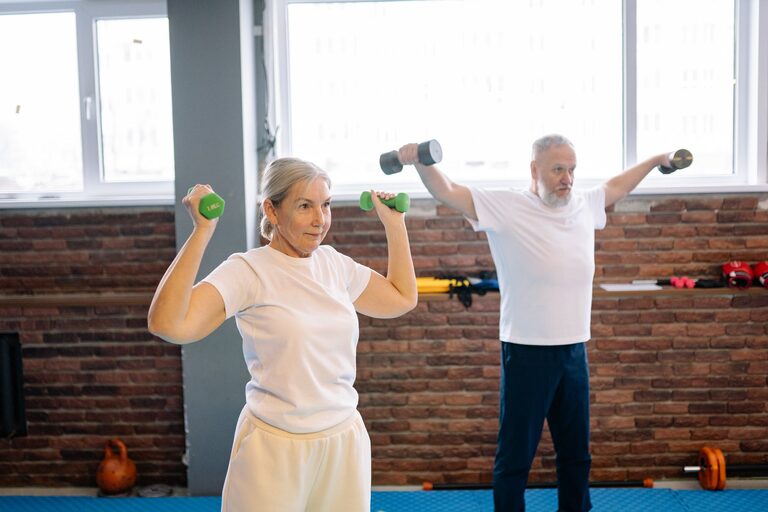
Staying active after 50 does not require complicated workouts or long hours at the gym. Small, consistent strength-building habits can make everyday movement feel easier and help you stay confident while doing the activities you enjoy.
Strength supports more than lifting heavy objects. It can help with standing from a chair, carrying groceries, climbing stairs, gardening, traveling, and keeping up with family and friends. The key is to choose practical movements, start at a comfortable level, and build gradually.
Start With Everyday Strength
Strength training can be part of your normal routine rather than a separate event. Look for simple ways to add movement to activities you already do.
For example:
– Stand up and sit down from a sturdy chair several times.
– Carry light grocery bags evenly in both hands.
– Use the stairs when it feels comfortable.
– Garden, sweep, or do light yard work.
– Walk at a brisk but manageable pace.
– Park a little farther from store entrances.
– Do a few gentle stretches after sitting for a long time.
These habits may seem small, but they add up. Regular movement also makes it easier to stay consistent because it does not depend on having special equipment or a large block of free time.
Practice the Main Movement Patterns
A balanced strength routine includes several basic movement patterns. You do not need to train like an athlete. Focus on controlled movements that support daily life.
Sit and Stand
Chair stands are a practical way to work the legs and hips. Sit near the front of a sturdy chair with your feet about hip-width apart. Lean forward slightly, press through your feet, and stand tall. Lower yourself slowly and repeat.
Use your hands on the chair or armrests if needed. As the movement becomes easier, try using less support or pausing briefly at the top.
Push
Pushing movements work the chest, shoulders, and arms. Wall pushups are a simple starting point. Place your hands on a wall at about chest height, step back slightly, and bend your elbows to bring your body toward the wall. Push gently back to the starting position.
To make the exercise more challenging, step farther from the wall. Keep your movements smooth rather than rushing through repetitions.
Pull
Pulling movements strengthen the upper back and arms. A resistance band can be useful, but you can also practice the motion with light household objects when appropriate.
For a band row, secure the band safely, hold the handles, and pull your elbows back while keeping your shoulders relaxed. Imagine bringing your shoulder blades gently toward each other. Return slowly to the starting position.
Hinge
A hip hinge helps with movements such as picking up an object or leaning forward. Stand with your feet comfortably apart, soften your knees, and move your hips backward while keeping your back in a natural position. Return to standing by pressing through your feet.
Practice this movement without weight first. Learning to move from the hips can make many household tasks feel more controlled.
Carry
Carrying light objects is a useful form of functional strength training. Hold a manageable weight in each hand, stand tall, and walk for a short distance. Keep your shoulders relaxed and your steps steady.
You can use light dumbbells, water bottles, or grocery bags. Choose an amount that allows you to maintain good posture and control.
Add Balance to Your Routine
Balance is an important part of staying active. It can help you feel more stable while walking, reaching, and changing direction.
Try these simple options:
– Stand near a counter and lift one foot for a few seconds.
– Walk slowly from heel to toe along a clear path.
– Shift your weight from one foot to the other.
– Practice stepping forward, backward, and to the side.
– Rise onto your toes while holding a stable surface.
Keep a countertop, wall, or sturdy chair nearby for support. Balance exercises should be performed in a clear space without loose rugs, cords, or other tripping hazards.
Use Short, Consistent Sessions
A short routine is easier to maintain than an ambitious plan that quickly becomes tiring. Start with two or three strength sessions each week, leaving time between sessions for rest and normal activities.
A session can take 15 to 25 minutes and include:
- A few minutes of easy walking or gentle movement.
- One leg exercise, such as chair stands.
- One pushing exercise, such as wall pushups.
- One pulling or carrying exercise.
- A balance activity.
- A few relaxed movements to finish.
Begin with a small number of repetitions, such as five to eight, and focus on smooth technique. If the routine feels manageable after a couple of weeks, add a few repetitions, another set, or a small amount of resistance.
Focus on Quality, Not Speed
Controlled movement is usually more useful than rushing. Move through a comfortable range and pay attention to your posture.
Helpful reminders include:
– Keep your breathing steady.
– Avoid holding your breath.
– Move slowly during the lowering portion of an exercise.
– Keep your knees and toes generally aligned.
– Stop before your technique breaks down.
– Use support when you need it.
– Choose stable, well-fitting footwear.
Strength develops through repeated practice. You do not need to feel exhausted after every session to make progress.
Make Progress Gradually
Progress can take several forms. You might add a few repetitions, use a slightly heavier object, increase the time you walk, or improve your control. Even completing a movement with less support can be meaningful progress.
Try changing only one part of your routine at a time. For example, if chair stands feel easier, you might add two repetitions. After you become comfortable with that change, you can decide whether to add another set or introduce light resistance.
Keep a simple record of your sessions. Write down the exercises, repetitions, and how the routine felt. This can help you notice improvement and choose a sensible next step.
Support Strength With Daily Habits
Exercise works best when it fits into a broader active lifestyle. Aim to break up long periods of sitting with short movement breaks. Stand, walk around the room, stretch gently, or complete a household task every so often.
Sleep, regular meals, hydration, and enjoyable social activities can also support an active routine. You are more likely to stay consistent when movement feels useful and enjoyable rather than like a chore.
Choose activities that motivate you. Walking with a friend, joining a local class, dancing, swimming, or working in the yard can all make staying active more rewarding.
Listen to Your Body
Some effort is normal when building strength, but sharp, sudden, or unusual discomfort is a reason to stop and reassess. Adjust the movement, reduce the resistance, or take more rest if something does not feel right.
If you have a long-term condition, recent injury, or questions about which activities are appropriate for you, consider asking a qualified fitness professional or health professional for personalized guidance.
The best strength routine is one you can repeat safely and enjoy. Start with practical movements, keep sessions short, and build gradually. Over time, these simple habits can help you remain capable, confident, and active in everyday life.
