
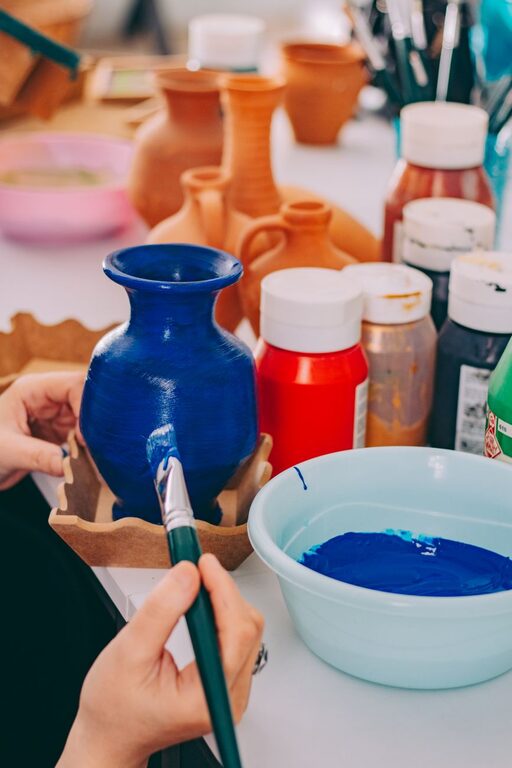
Creative hobbies offer a rewarding way to spend time away from screens and daily routines. They give your hands something to do while encouraging your mind to focus, explore, and solve problems. Whether you enjoy making practical items, creating art, or learning a new skill, there is a hobby to match nearly every interest and schedule.
The best creative hobbies do not require professional training or expensive equipment. Many can begin with simple supplies and improve gradually through practice. Here are several engaging options to consider.
Why Creative Hobbies Are Worth Exploring
Creative activities are more than ways to fill free time. They can help you slow down, pay attention to details, and enjoy the process of making something from the beginning. Working with your hands also creates a welcome break from passive entertainment.
Creative hobbies can help you:
– Practice patience and concentration
– Develop new skills at your own pace
– Express ideas, feelings, and personal style
– Create useful or decorative items
– Build confidence through steady progress
– Enjoy quiet time or connect with other people
You do not need to finish a large project to benefit from the experience. Even a short drawing session, a few rows of knitting, or an hour in the garden can provide a satisfying sense of focus.
Drawing and Sketching
Drawing is one of the easiest creative hobbies to start. A pencil, eraser, and notebook are enough for simple sketches. You can draw objects around your home, scenes from outside, or patterns made from shapes and lines.
Beginners often find it helpful to practice small exercises, such as:
– Drawing basic shapes
– Shading light and dark areas
– Sketching household objects
– Creating simple patterns
– Copying a favorite photograph
– Keeping a daily five minute sketch journal
The goal is not to create perfect artwork. Regular practice helps you notice details, improve hand control, and develop a personal style. If you prefer color, try colored pencils, watercolor paints, or markers.
Try Digital Drawing
If you enjoy technology, digital drawing can offer a new set of tools. A tablet or computer program can provide brushes, layers, and easy ways to experiment with color. Many free apps include basic features suitable for beginners.
Knitting, Crochet, and Fiber Crafts
Knitting and crochet combine repetitive hand movements with planning and creativity. You can begin with a simple scarf, dishcloth, coaster, or small decorative item. As your skills grow, you might try hats, blankets, toys, or clothing.
Fiber crafts are especially flexible because projects can be adjusted to fit your available time. You can work on a few rows during a quiet evening or spend longer sessions learning a new stitch.
Before starting, learn a few basic terms and techniques through a beginner guide or video. Choose a light-colored yarn so it is easier to see the stitches. Starting with a larger hook or pair of needles may also make the first steps more manageable.
Paper Crafts and Scrapbooking
Paper crafts are affordable, versatile, and easy to customize. Options include origami, card making, paper flowers, collage, journaling, and scrapbooking. These activities can be as simple or detailed as you like.
You can use:
– Colored paper and cardstock
– Scissors and glue
– Decorative tape
– Rubber stamps
– Old magazines
– Stickers and printed photographs
– Pens, pencils, and markers
Scrapbooking can help preserve memories, while handmade cards provide a personal touch for birthdays and other occasions. Origami offers a more structured challenge, with projects ranging from simple folded animals to detailed geometric designs.
Cooking and Baking
Cooking is a creative hobby with a practical result. It encourages you to plan, measure, adjust, and experiment with flavors. Even familiar recipes can become opportunities to try a new ingredient, cooking method, or presentation.
If you are new to cooking, start with recipes that use a small number of ingredients. Soups, pasta dishes, roasted vegetables, and simple breads are good choices. Keep notes about what you changed and how the result turned out.
Baking adds another kind of challenge because measurements and timing matter. Once you understand the basics, you can experiment with flavors, shapes, fillings, and decorations. Sharing your results with family or friends can make the process even more enjoyable.
Gardening and Plant Projects
Gardening keeps your hands busy while connecting you with nature. You do not need a large yard to get started. A sunny windowsill, balcony, or small container can support herbs, flowers, or certain vegetables.
Begin with plants that match your space and the amount of care you can provide. Herbs such as basil, mint, and chives are popular choices for small areas. You can also create a miniature indoor garden using small pots and recycled containers.
Gardening involves several creative decisions, including choosing colors, arranging plants, decorating containers, and designing a growing space. Keeping a simple plant journal can help you record watering schedules, growth, and seasonal changes.
Woodworking and Simple DIY Projects
Woodworking can be a satisfying choice if you enjoy building and working with materials. Beginners should start with small, manageable projects such as a plant stand, picture frame, shelf, or wooden box.
Safety should always come first. Read instructions carefully, wear suitable protective equipment, and use tools as directed. Begin with basic hand tools before moving to power tools. A local workshop or beginner class can provide helpful guidance and a safe place to practice.
If woodworking feels too advanced, try simple DIY projects using cardboard, fabric, recycled containers, or ready-made kits. These projects can still involve measuring, assembling, decorating, and problem-solving.
Photography and Creative Writing
Photography encourages you to look at ordinary surroundings in new ways. You can use a phone or camera to explore light, color, texture, and composition. Try choosing a weekly theme, such as doors, shadows, reflections, or natural patterns.
Creative writing offers a similar opportunity for self-expression. You might write short stories, poems, personal essays, or descriptions of places you know. A daily writing prompt can make it easier to begin.
Some prompts to try include:
– Describe a room using all five senses
– Write about an object with a hidden history
– Create a conversation between two unusual characters
– Continue a story that begins with a surprising discovery
– Describe a familiar place from a new perspective
How to Choose the Right Hobby
The best hobby is one that fits your interests, space, budget, and available time. Ask yourself what kind of activity sounds most appealing. Do you want to make something useful, learn a precise skill, spend time outdoors, or express your ideas?
Start small and avoid buying too many supplies at first. Try a beginner kit, borrow equipment, or use materials you already have. Give the hobby several sessions before deciding whether it suits you. Early mistakes are a normal part of learning.
Most importantly, focus on curiosity rather than perfection. Creative hobbies are valuable because they keep you engaged in the present and give you room to learn. With regular practice, a simple activity can become a lasting source of enjoyment and accomplishment.
