
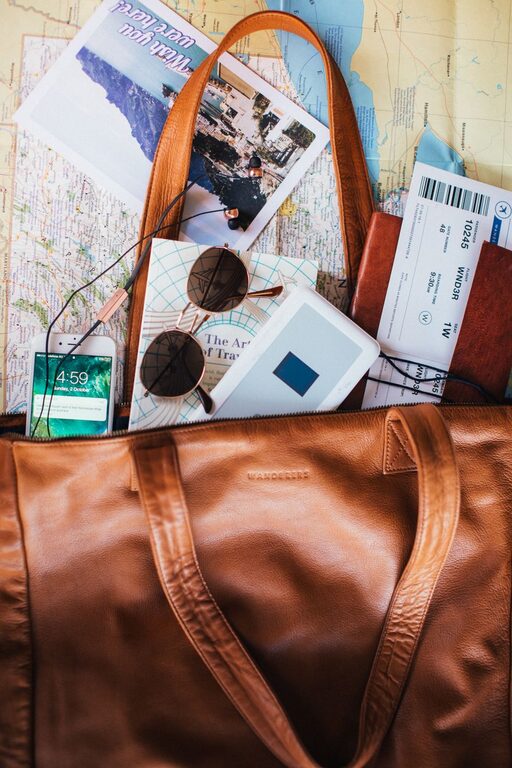
A day trip should feel refreshing, not like a test of how much weight you can carry. With a little planning, you can bring what you need, leave behind what you do not, and stay ready for changing conditions.
The goal is not to pack as little as possible. It is to pack with purpose. By checking the details of your destination, choosing flexible items, and using a simple packing system, you can enjoy a full day away without carrying an oversized bag.
Start With the Day’s Plan
Before choosing what to pack, think through how you will spend your time. A trip that includes a scenic walk, a café stop, and a museum visit will require different items than a day at the beach or a long bike ride.
Write down the main activities and consider:
– How long you will be away
– Whether you will be indoors, outdoors, or both
– How much walking you expect to do
– What the weather may be like
– Whether food and drinks will be available
– If you will have access to restrooms, stores, or a place to recharge devices
This quick review helps you avoid packing for every possible situation. Focus on the conditions you are most likely to encounter, then add only a small amount of backup gear.
Check Practical Details
Look at opening hours, parking information, transportation schedules, trail conditions, and any rules for your destination. Some places may not allow large bags, outside food, or certain equipment.
Knowing these details in advance prevents unnecessary items from ending up in your bag. It can also help you decide whether you need a water bottle, packed lunch, printed directions, or a portable charger.
Use a Small, Comfortable Bag
The right bag naturally limits overpacking. Choose one that is comfortable to carry and large enough for your essentials, but not so large that you are tempted to fill every space.
A small daypack, crossbody bag, or roomy tote may work well, depending on the activity. For walking-heavy trips, look for features such as:
– Padded straps
– A comfortable back panel
– Several easy-to-reach pockets
– A secure closure
– A water-resistant material
Try placing your planned items inside the bag before leaving home. If it feels crowded or heavy, remove items before adding anything else. A lighter bag is easier to carry and leaves room for a small purchase or an extra layer.
Build a Simple Essentials List
A short, repeatable list can make packing faster and more consistent. Most day trips need only a few categories of items.
Personal Basics
Bring the items you use throughout the day, such as:
– Wallet or payment method
– Identification
– Keys
– Phone
– Sunglasses
– Hand sanitizer or tissues
– Any personal care items you normally need
Keep these items together in a small pouch or dedicated pocket. This makes them easy to find and reduces the chance of leaving something behind.
Comfort Items
Choose comfort items based on the destination rather than habit. Useful options may include:
– A reusable water bottle
– Sunscreen
– A light jacket or sweater
– A compact umbrella
– A hat
– Comfortable walking shoes
You probably do not need all of these. Check the forecast and the day’s activities, then select the few that match your plans.
Food and Snacks
Food can take up more space than expected, especially when packed in bulky containers. If you plan to eat while out, consider whether you can buy a meal or snack at your destination.
For a packed option, choose compact foods that are easy to carry, such as a sandwich, fruit, crackers, or a small snack bar. Use reusable bags or a slim container instead of several separate packages. Pack enough for the day, but avoid bringing a large supply “just in case.”
Dress in Layers
Layers are more useful than multiple complete outfits. They allow you to adjust to changes in temperature without filling your bag with extra clothing.
Start with comfortable clothes suited to the main activity. Add one versatile layer, such as a lightweight sweater, fleece, or overshirt. If rain is possible, a thin waterproof jacket may be more practical than carrying a heavy coat.
Wear your bulkiest items instead of packing them. For example, wear walking shoes and carry lighter footwear only if you truly need a change. Choose neutral, comfortable pieces that can work across several settings.
Pack Items That Serve More Than One Purpose
Versatile items help you stay prepared while keeping your bag light. A scarf can provide warmth, shade, or a place to sit. A lightweight tote can hold snacks, souvenirs, or a jacket. A refillable bottle can reduce the need to carry multiple drinks.
Look for simple items that solve more than one problem. This approach is more effective than packing a separate item for every possible need.
Before adding something to your bag, ask:
- Will I probably use this?
- Can another item do the same job?
- Can I buy or borrow it easily if needed?
- Is it worth carrying all day?
If the answer to the first question is no, leave it at home.
Organize Your Bag by Use
Good organization makes a small bag feel more useful. Place items according to when and how often you expect to use them.
Keep frequently used items near the top or in an outer pocket. Store valuables in a secure compartment. Put food and drinks upright and away from electronics. If you pack a jacket, roll or fold it near the top so you can reach it quickly.
Small pouches can keep cords, personal items, or snacks together. However, avoid using too many organizers, since they can add bulk. One or two lightweight pouches are usually enough.
Prepare for Weather Changes
Weather is one of the main reasons people overpack. Instead of bringing several backup outfits, check the forecast close to departure and choose one practical layer.
A few compact additions can provide useful protection:
– A packable rain jacket
– A small umbrella
– A lightweight hat
– A reusable water bottle
– A thin layer for cooler temperatures
If the forecast looks uncertain, focus on items that are easy to carry and useful in more than one condition. A bulky “just in case” item may not be worth the space unless the weather is likely to change significantly.
Leave Room for the Unexpected
A well-packed bag should not be completely full. Leaving a little extra space makes the trip more comfortable and gives you flexibility.
You may need room for a layer you remove, a small purchase, or items that become damp during the day. An overstuffed bag is harder to close, harder to organize, and more tiring to carry.
A useful rule is to pack your essentials, then remove one nonessential item. This final review often reveals something you included out of habit rather than need.
Do a Five-Minute Final Check
Before walking out the door, review your plan and bag one last time. Confirm that you have:
– Your phone, keys, and payment method
– Any required tickets or reservations
– Water and food plans
– Weather-appropriate clothing
– Comfortable footwear
– A way to get home
Then check the weight. If the bag feels heavy before the trip begins, it will probably feel even heavier later. Remove duplicates, oversized containers, and items that are easy to find at your destination.
The best day-trip packing list is not the longest one. It is the one that supports your plans, keeps you comfortable, and lets you focus on enjoying the day. With a small bag, a flexible outfit, and a short list of useful essentials, you can travel lightly and still feel prepared.
