
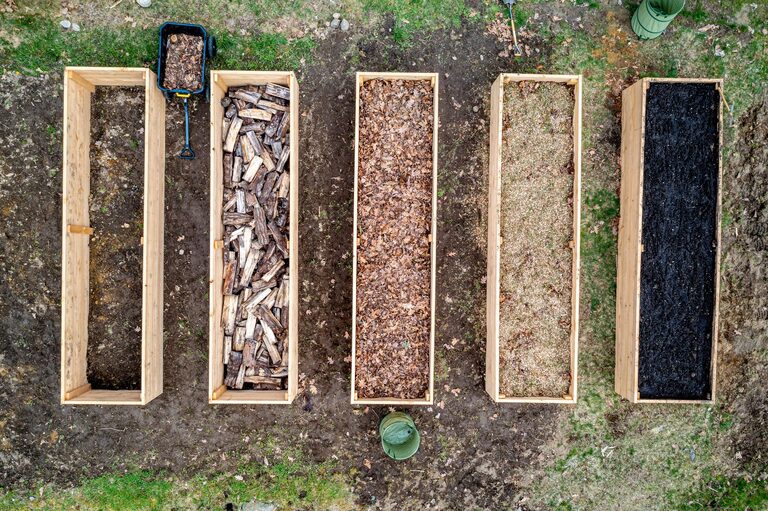
Gardening is a rewarding way to spend time outdoors, stay engaged, and create something you can enjoy throughout the season. You do not need a large yard, advanced tools, or years of experience to get started. With a few simple projects, active adults can turn a patio, balcony, windowsill, or small garden bed into a productive and colorful space.
The best beginner projects are manageable, useful, and easy to adjust. They also offer plenty of opportunities to move around, from preparing soil and carrying supplies to planting, watering, and harvesting. Here are several practical gardening ideas to try.
1. Create a Container Herb Garden
A container herb garden is one of the easiest ways to begin gardening. It works well in small spaces and provides fresh ingredients for cooking.
Choose a container with drainage holes and fill it with quality potting soil. You can plant herbs such as:
– Basil
– Parsley
– Chives
– Mint
– Thyme
– Rosemary
Place the container where it receives the amount of sunlight recommended for your chosen herbs. Many herbs prefer several hours of sunlight each day, but check the plant label for specific guidance.
For a simple arrangement, place taller herbs in the center or back of the container and shorter herbs around the edges. Mint is best grown in its own container because it can spread quickly.
Water when the soil surface feels dry, and trim herbs regularly to encourage fresh growth. Harvesting small amounts often helps the plants stay full and productive.
Make It More Active
Turn this project into a regular outdoor routine. Walk around your garden area before watering, check each plant for new growth, and spend a few minutes removing dry leaves or small weeds.
2. Build a Small Raised Garden Bed
A raised bed gives you a defined gardening area and makes it easier to organize vegetables, flowers, and herbs. It can be as simple as a wooden frame placed on level ground.
For a beginner-friendly bed:
- Select a sunny location.
- Choose a compact size, such as 3 by 3 feet or 4 by 4 feet.
- Assemble or purchase a basic frame.
- Fill it with garden soil and compost.
- Add plants according to their spacing needs.
Good starter crops include lettuce, radishes, bush beans, cherry tomatoes, and leafy greens. These plants are generally easy to recognize and can provide visible progress within a short time.
Avoid overcrowding the bed. Plants need room for air circulation, root growth, and harvesting. A simple sketch of the bed can help you plan where each crop will go.
Keep the Layout Simple
Group plants with similar sunlight and watering needs together. Place taller plants where they will not shade shorter ones. You can also leave a small path around the bed so you can comfortably reach every section.
3. Plant a Pollinator-Friendly Flower Pot
A pollinator-friendly container adds color while creating a welcoming space for bees, butterflies, and other helpful garden visitors. You can use one large pot or several smaller containers.
Consider planting a mix of flowers with different shapes, colors, and bloom times. Beginner-friendly options may include:
– Marigolds
– Zinnias
– Sunflowers
– Coneflowers
– Alyssum
– Lavender
Use a container with good drainage and place it in a location that matches the flowers’ sunlight needs. Choose several plants that mature at different heights to create a layered look.
Deadheading, or removing faded flowers, can help keep the container looking tidy and may encourage additional blooms. This small task is easy to add to a weekly garden check.
4. Start a Salad Garden
A salad garden is a practical project for anyone who enjoys harvesting fresh produce. Many salad plants grow well in containers or small beds.
Begin with fast-growing crops such as:
– Leaf lettuce
– Arugula
– Spinach
– Radishes
– Green onions
– Small carrots
Sow seeds in short rows and follow the spacing instructions on the packet. To enjoy a steady supply, plant a small amount every week or two instead of planting everything at once.
Harvest leafy greens by picking the outer leaves and allowing the center to continue growing. Radishes and green onions can be pulled when they reach a useful size. Keep track of planting dates with simple labels so you know when to expect new growth.
Add Variety Over Time
Once you are comfortable with salad greens, try adding edible flowers, small cucumbers, or compact peppers. Expanding gradually makes the garden easier to manage and gives you a chance to learn what grows best in your space.
5. Make a Simple Vertical Garden
Vertical gardening is a smart choice for patios, balconies, and narrow spaces. It also creates an interesting focal point and makes use of unused wall or fence areas.
You can use:
– A freestanding trellis
– Hanging baskets
– Wall-mounted planters
– A sturdy plant ladder
– Recycled containers attached to a frame
Look for plants that naturally climb or trail, such as peas, small cucumbers, nasturtiums, or flowering vines. Make sure the structure is stable and strong enough to support mature plants and wet soil.
Arrange containers so each plant receives adequate light and air. Check hanging planters regularly because they may dry out faster than plants growing in the ground.
6. Create a Garden Path or Stepping-Stone Area
A small path can make your garden more inviting and easier to navigate. It does not need to be a major landscaping project. A few stepping stones, bricks, or flat pieces of wood can define a route through a flower bed or around a raised garden.
Before placing materials, clear away loose debris and mark the path with string or garden stakes. Position each stone with enough space for a comfortable step, then check that it sits firmly on the ground.
A path also helps protect soil from being compacted by repeated foot traffic. Surround it with low-growing plants, mulch, or gravel for a finished appearance.
7. Set Up a Composting Starter Bin
Composting turns many household and garden scraps into a useful soil amendment. A small starter bin is a straightforward project for beginners.
Add a balanced mix of “green” materials, such as vegetable scraps and fresh grass clippings, and “brown” materials, such as dry leaves, plain cardboard, and small twigs. Avoid adding meat, dairy products, and materials treated with chemicals.
Keep the contents slightly moist and turn the pile occasionally to help air move through it. A small outdoor bin can produce compost for containers and garden beds over time.
If you do not have room for a full compost pile, look for a sealed countertop collection container and check whether your community offers compost pickup.
Tips for Enjoying Your Gardening Projects
A few habits can make gardening more satisfying and easier to maintain:
– Start with one or two projects instead of doing everything at once.
– Choose plants suited to your local growing conditions.
– Keep basic tools together in a small bucket or garden tote.
– Use labels to record plant names and planting dates.
– Check soil moisture before watering.
– Set a regular time each week for trimming and tidying.
– Take notes about what grows well and what you would change next season.
The goal is not to create a perfect garden immediately. It is to build a space that encourages you to spend time outdoors and gives you visible results along the way. Whether you begin with a pot of herbs, a small raised bed, or a few colorful flowers, each project can become the foundation for a rewarding gardening routine.
