
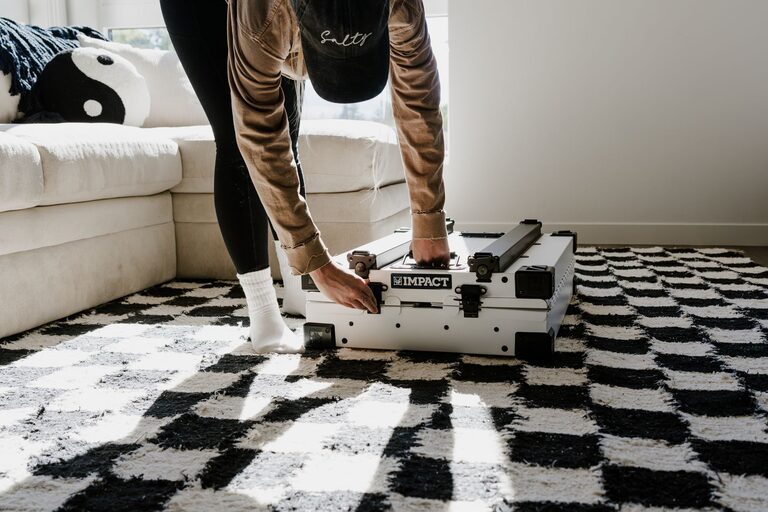
A dedicated exercise space can make home workouts easier, more comfortable, and more consistent. You do not need a large room or expensive equipment to get started. With thoughtful planning, a spare corner, open floor area, or section of a garage can become a practical place to move.
The best home exercise space should support your routine while helping you stay organized and aware of potential hazards. Use the following steps to create an area that feels welcoming, works for your goals, and fits your home.
Choose the Right Location
Start by deciding where your exercise space will be. The ideal location depends on the type of activity you plan to do and the amount of room available.
Consider these factors:
– Available floor space: Make sure you can move your arms and legs freely without hitting furniture, walls, or other objects.
– Ceiling height: Check that the ceiling is high enough for overhead movements, stretching, or equipment such as resistance bands.
– Ventilation: A room with a window, fan, or good airflow can feel more comfortable during movement.
– Lighting: Bright, even lighting helps you see the floor and nearby obstacles clearly.
– Noise: If you live with others or in an apartment, consider how jumping, music, and equipment use may affect people nearby.
– Privacy: Choose a location where you feel comfortable exercising without frequent interruptions.
A living room, bedroom corner, basement, or home office may work well. If you use a shared area, keep equipment easy to move or store so the space can serve more than one purpose.
Measure Your Workout Area
Before buying equipment, measure the available space. A simple floor plan can help you decide what will fit and prevent the area from becoming crowded.
Leave enough room for the movements in your routine. A yoga or stretching session may require less space than bodyweight exercises, dance workouts, or strength training. If you plan to use a bench, step platform, or larger machine, account for the equipment itself and the space needed around it.
Keep walkways clear. Avoid placing workout equipment where people regularly pass through, especially near doors, stairs, or narrow hallways. A clear path reduces the chance of trips and makes the room easier to use.
Create a Stable, Comfortable Floor
The floor is one of the most important parts of a home exercise area. It should be level, clean, and free from loose objects.
A fitness mat can provide a more comfortable surface for stretching, floor exercises, and low-impact movement. Choose a mat that is long and wide enough for your routine and has a texture that helps prevent slipping.
For activities that involve jumping or heavier equipment, consider protective flooring designed for exercise spaces. Interlocking foam tiles can work well for light workouts, while thicker rubber flooring may be more suitable for areas with weights. Follow the manufacturer’s instructions and make sure the flooring lies flat.
Avoid exercising on loose rugs, slippery tiles, or uneven surfaces. If you use a rug, place a nonslip pad underneath it and check that the edges do not curl.
Keep Equipment Simple and Useful
A comfortable exercise space does not need to be filled with gear. Begin with a few items that match your interests and can be used regularly.
Useful options may include:
– A supportive exercise mat
– Resistance bands
– Light hand weights
– A stable step platform
– A foam roller
– A small towel
– A water bottle
– A storage basket or shelf
Choose equipment that is easy to use, store, and inspect. If an item requires complicated setup or takes up too much space, you may be less likely to use it.
When purchasing equipment, check weight limits, dimensions, care instructions, and safety features. Use products only for their intended purpose. For example, do not substitute a lightweight household chair for a piece of equipment that requires a firmly supported surface unless the chair is stable and appropriate for that movement.
Plan Safe Storage
Good storage keeps your workout area ready to use and helps prevent trips. Store small items in labeled bins, baskets, or drawers. A wall rack can hold bands, towels, or jump ropes, while a shelf can keep weights and accessories off the floor.
Place heavier items on lower shelves. Keep sharp, fragile, or unstable objects away from the exercise area. Avoid stacking equipment where it could fall during movement or when someone reaches for another item.
If children or pets share your home, use storage that keeps unsuitable equipment out of reach. Store cords, resistance bands, and small accessories securely when they are not in use.
Return items to their storage location after each workout. This simple habit keeps the space organized and makes it easier to notice damaged or missing equipment.
Improve Comfort and Airflow
Small changes can make the space more inviting. Add a fan, adjust the temperature, or open a window when appropriate. Avoid blocking vents or placing equipment directly in front of heaters.
Use lighting that reduces shadows and glare. If the room is dim, add a lamp or overhead light. Make sure cords are tucked away and do not cross the floor.
You may also want a mirror to check general form and positioning. Place it securely and avoid leaning a large mirror against a wall where it could tip. If you prefer not to use a mirror, record a short practice session or exercise near a clear visual reference to help monitor your movements.
Music, a timer, or a screen can make workouts more enjoyable, but keep technology positioned safely. Use a stable stand and place devices where they will not interfere with movement.
Check for Common Safety Hazards
Before each session, take a quick look around the room. Remove clutter, move furniture out of the way, and check that the floor is dry.
Pay attention to:
– Loose cords and charging cables
– Unsecured rugs or mats
– Wet spots or spills
– Unstable furniture
– Low tables or sharp corners
– Equipment left in walkways
– Loose hardware or cracked surfaces
– Poor lighting
Do not exercise beside glass doors, fragile decorations, or furniture with sharp edges if your routine involves quick movements. Keep enough distance from walls and other objects to move comfortably.
If you use equipment with bolts, handles, straps, or adjustable parts, inspect it regularly. Stop using any item that appears cracked, frayed, loose, or unstable. Repair or replace it according to the manufacturer’s guidance.
Make the Space Easy to Use
A space is more useful when starting a workout requires little preparation. Keep frequently used items nearby and arrange the room so you can begin without moving several pieces of furniture.
Create a simple routine for setting up:
- Clear the floor.
- Place the mat securely.
- Check the equipment.
- Adjust airflow and lighting.
- Keep water and a towel within reach.
- Store everything after the workout.
You can also create zones within the room. One area might be for stretching, another for strength exercises, and a third for storage. Clear zones help you move between activities without rearranging the entire space.
Keep Your Routine Flexible
Your home exercise area should fit your lifestyle, not require a complete room makeover. If space is limited, use foldable equipment, stackable storage, or a mat that can be rolled away. A small area can still support stretching, bodyweight exercises, balance work, and many other activities.
Review the space after a few weeks. Notice what you use often, what gets in the way, and what remains untouched. Remove unnecessary items and adjust the layout as your routine changes.
The goal is a clean, comfortable, and dependable place to move. By choosing a suitable location, protecting the floor, storing equipment carefully, and checking for hazards, you can build a home exercise space that supports regular activity without taking over your home.
