
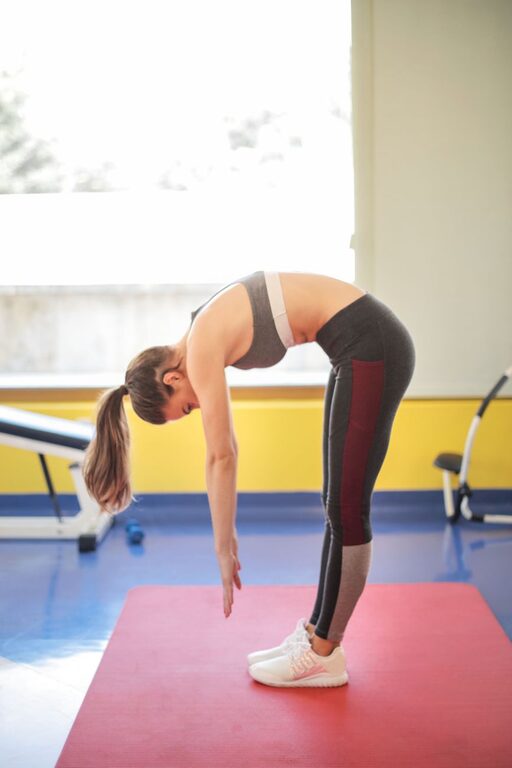
A few gentle stretches in the morning can be an easy way to move your body after a night of rest. You do not need special equipment, a large space, or a long workout. Just five to ten minutes can help you feel more comfortable and prepared for the day ahead.
The routine below focuses on slow, controlled movements for the neck, shoulders, back, hips, and legs. Move at a comfortable pace, breathe steadily, and avoid forcing any position. Stretching should feel gentle, not sharp or painful.
Why Add Stretching to Your Morning?
Your body may feel stiff when you first get out of bed, especially after staying in one position for several hours. Gentle movement can help you transition from rest to daily activities.
A morning stretching routine may help you:
– Wake up your muscles and joints
– Improve your range of motion
– Release everyday tension
– Support better posture throughout the day
– Create a calm, consistent start to your morning
– Prepare your body for walking or other light activity
Stretching is also a useful way to build a mindful habit. Instead of immediately reaching for your phone or rushing into tasks, you can take a few minutes to check in with your body.
Before You Begin
You can do these stretches on a comfortable floor, beside your bed, or while standing. If you are stretching on the floor, use a mat, carpet, or folded towel for support.
Keep these simple tips in mind:
– Move slowly and avoid bouncing.
– Breathe naturally rather than holding your breath.
– Stop if you feel sharp pain, numbness, or unusual discomfort.
– Keep the stretch gentle and controlled.
– Spend more time on areas that feel tight, but do not force them.
– If you have an injury or a condition that affects movement, ask a qualified professional which exercises are suitable for you.
If your body feels especially stiff in the morning, begin with a short walk around the room or a few easy arm movements before stretching.
1. Neck Turns
Neck turns are a simple way to release tension around the neck and upper shoulders.
How to do it
- Sit or stand tall with your shoulders relaxed.
- Slowly turn your head to the right, looking over your shoulder.
- Return to the center.
- Turn your head to the left.
- Repeat five times on each side.
Keep your chin level and avoid dropping your head backward. The movement should be small and comfortable. You can also pause for a breath at each side if that feels good.
2. Shoulder Rolls
Shoulder rolls can help loosen the upper back and shoulders, especially if you spend much of the day at a desk.
How to do it
- Stand or sit with your arms resting by your sides.
- Lift your shoulders toward your ears.
- Move them back and gently down.
- Continue in a smooth circular motion.
- Complete five to ten rolls, then reverse the direction.
Try to keep your jaw relaxed. Focus on making the circles slow rather than large.
3. Standing Side Stretch
This stretch gently lengthens the sides of the body and encourages you to take fuller breaths.
How to do it
- Stand with your feet about hip-width apart.
- Reach your right arm overhead.
- Slowly lean to the left without twisting your chest forward.
- Hold for 15 to 20 seconds.
- Return to the center and repeat on the other side.
Keep both feet planted and avoid collapsing into your waist. Imagine creating a long line from your hip to your fingertips.
4. Cat Cow Stretch
The cat cow movement is a gentle option for warming up the spine and back. Use a mat or soft surface if needed.
How to do it
- Begin on your hands and knees.
- Place your hands under your shoulders and your knees under your hips.
- As you inhale, gently lift your chest and tailbone while allowing your back to curve slightly.
- As you exhale, round your back and let your head move naturally toward the floor.
- Repeat slowly for six to eight rounds.
Do not force the shape of your back. Let your breathing guide the movement and keep your hands firmly connected to the floor.
5. Child’s Pose Reach
This resting stretch can help you relax your back, hips, and shoulders.
How to do it
- From your hands and knees, move your hips back toward your heels.
- Extend your arms forward or rest them alongside your body.
- Lower your forehead toward the mat if it feels comfortable.
- Hold for 20 to 30 seconds while breathing slowly.
If your hips do not move comfortably toward your heels, place a pillow or folded blanket under them. You can also widen your knees slightly to create more room.
6. Low Lunge Stretch
A low lunge can gently open the front of the hip and upper leg. Move into this stretch carefully and keep your movements steady.
How to do it
- Start on your hands and knees.
- Step your right foot forward between your hands.
- Place your left knee on the floor.
- Keep your chest lifted and shift your hips forward slightly.
- Hold for 15 to 20 seconds.
- Return to the starting position and switch sides.
Keep your front knee aligned over your ankle as much as possible. If the floor feels uncomfortable, place a folded towel beneath your back knee.
7. Standing Hamstring Stretch
This stretch targets the back of the legs and can be adjusted to suit your flexibility.
How to do it
- Stand tall with your feet comfortably apart.
- Place your right heel slightly forward with your toes pointing upward.
- Bend your left knee a little.
- Hinge forward from your hips while keeping your back long.
- Hold for 15 to 20 seconds, then switch sides.
You do not need to touch your toes. Reach only as far as you can while keeping the movement comfortable. Holding onto a chair or wall can help with balance.
8. Calf Stretch Against a Wall
Calf stretches are useful before a morning walk or whenever your lower legs feel tight.
How to do it
- Face a wall and place both hands against it.
- Step your right foot back.
- Keep your right heel on the floor and your right leg mostly straight.
- Bend your front knee and lean gently toward the wall.
- Hold for 15 to 20 seconds, then switch sides.
Keep the toes of your back foot pointing forward rather than turning outward. For a slightly different stretch, bend the back knee gently while keeping the heel down.
How to Build a Consistent Routine
You do not need to complete every stretch each morning. Start with three or four movements and gradually create a routine that fits your schedule.
A simple five-minute sequence could include:
- Neck turns
- Shoulder rolls
- Standing side stretches
- Cat cow
- Standing hamstring stretches
On days when you have more time, add the low lunge, child’s pose reach, and calf stretch. You can also repeat any movement that feels especially useful.
Try linking stretching to an existing habit, such as brushing your teeth, making coffee, or getting dressed. Keeping your mat in a visible place may also make the routine easier to remember.
Final Thoughts
Morning stretching does not need to be intense to be useful. A few slow, comfortable movements can help you ease into the day and become more aware of how your body feels.
Focus on consistency rather than perfection. Breathe steadily, stay within a comfortable range, and choose stretches that suit your needs. Over time, a short morning routine can become a simple and enjoyable part of your daily schedule.
