
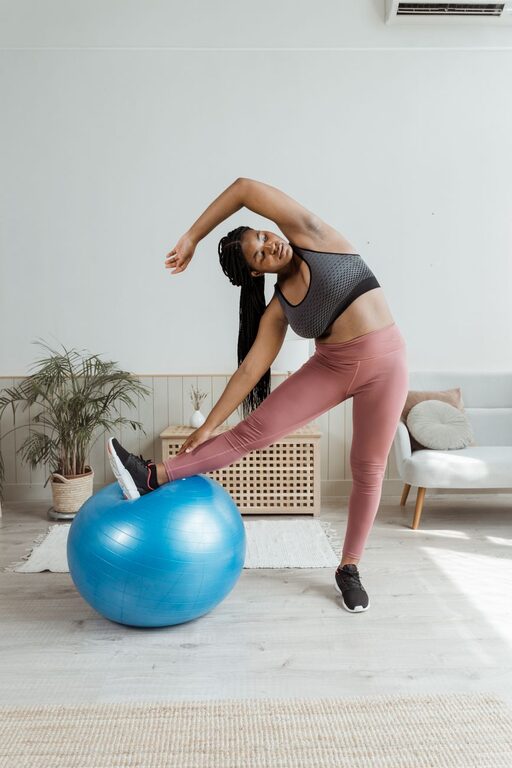
Improving balance and flexibility does not require a gym, expensive equipment, or hours of free time. With a few simple exercises and consistent practice, you can move more comfortably and feel steadier during everyday activities.
Balance exercises train your body to stay stable while standing or moving. Flexibility exercises help your muscles and joints move through a comfortable range of motion. Together, they can support better posture, easier movement, and greater confidence at home and outdoors.
Before you begin, choose a clear area with enough room to move. Keep a sturdy chair, countertop, or wall nearby for support. Move slowly, breathe naturally, and avoid forcing any stretch. Stop if you feel sharp pain, dizziness, or unusual discomfort.
Create a Simple Home Routine
A balanced routine can take as little as 10 to 15 minutes. Start with a gentle warm-up, practice a few balance exercises, and finish with relaxed stretches.
Try this basic structure:
- **Warm up for three to five minutes.**
- **Practice balance exercises for five minutes.**
- **Complete flexibility exercises for five to seven minutes.**
- **End with slow breathing and gentle movement.**
You do not need to complete the routine perfectly. Regular practice is more useful than occasional long sessions. Aim for several short sessions each week, or add a few exercises to an existing habit such as brushing your teeth or waiting for coffee to brew.
Easy Balance Exercises
Supported Single Leg Stand
Stand behind a sturdy chair or next to a countertop. Place your feet about hip-width apart and keep your posture tall. Hold the support lightly, then slowly lift one foot a few inches from the floor.
Hold the position for 10 to 20 seconds, if comfortable. Lower your foot and repeat on the other side. Complete two or three rounds per leg.
As your balance improves, try using less support. Keep your fingers close to the chair or counter so you can steady yourself when needed.
Heel to Toe Walk
Stand near a wall or clear countertop. Place one foot directly in front of the other, as if walking along a straight line. Take five to 10 slow steps, placing the heel of the front foot close to the toes of the back foot.
Keep your eyes focused on a fixed point ahead. Turn carefully and repeat in the opposite direction. This exercise challenges balance while gently practicing control during walking.
Sit to Stand
Sit near the front of a sturdy chair with your feet flat on the floor. Lean forward slightly, press through your feet, and stand up without rushing. Pause briefly, then slowly lower yourself back into the chair.
Repeat eight to 12 times. Use your hands on the chair or your thighs if needed, but try to rely on your legs as much as is comfortable. This movement supports balance, leg strength, and everyday activities such as getting up from a seat.
Side Steps
Stand near a countertop or wall. Step slowly to the right, bringing your other foot to meet it. Continue for five to 10 steps, then return to the starting position.
Keep your toes pointing forward and avoid crossing your feet. Side steps can help you practice moving in different directions while staying controlled.
Gentle Flexibility Exercises
Neck and Shoulder Release
Sit or stand with your back comfortably tall. Slowly tilt your head toward one shoulder, keeping the opposite shoulder relaxed. Hold for 10 to 20 seconds, then switch sides.
Next, roll your shoulders slowly backward several times and then forward several times. Keep the movements easy and controlled. Do not pull on your head or make quick circles with your neck.
Chest Stretch
Stand in a doorway with your forearms resting lightly against the frame, or place your hands behind your back if that feels comfortable. Step forward slightly until you feel a gentle stretch across your chest and the front of your shoulders.
Hold for 15 to 30 seconds while breathing normally. Keep the stretch mild rather than intense. This can be especially helpful after long periods of sitting.
Standing Side Stretch
Stand with your feet about hip-width apart. Raise one arm overhead and slowly lean to the opposite side. Keep both feet grounded and avoid twisting your body.
Hold for 15 to 20 seconds, then switch sides. You should feel a comfortable stretch along the side of your torso, not pressure in your lower back.
Seated Hamstring Stretch
Sit near the front of a sturdy chair. Extend one leg forward with your heel on the floor and your toes pointing upward. Keeping your back long, lean forward slightly from your hips.
Hold for 15 to 30 seconds, then switch legs. Avoid rounding your back or bouncing. Move only as far as you can while maintaining a relaxed, steady position.
Calf Stretch
Face a wall and place both hands against it. Step one foot back, keeping the back heel on the floor and the toes pointing forward. Bend the front knee slightly and lean toward the wall.
Hold for 15 to 30 seconds, then change sides. This stretch is useful after walking or other activities that involve standing and moving.
Use Everyday Activities to Build Better Balance
You can add balance and flexibility practice to normal household routines. Stand on both feet with good posture while washing dishes. Perform a few shoulder rolls after working at a computer. Take a short walking break every hour if you have been sitting for a long time.
Other simple ideas include:
– Practice sit-to-stand movements before a meal.
– Stretch your calves after a walk.
– Walk slowly and focus on placing each foot carefully.
– Use stairs, when comfortable, instead of an elevator.
– Keep commonly used items at an easy-to-reach height.
– Spend a few minutes moving gently when you wake up or before bed.
These small habits can make movement feel more natural without turning every activity into a workout.
Tips for Safe and Consistent Practice
Good technique matters more than speed. Keep your movements smooth, and use a wall or chair whenever you need extra support. Bare feet or comfortable, secure shoes may help you feel more connected to the floor, depending on the exercise and your home surface.
Avoid practicing balance exercises on slippery rugs, wet floors, or cluttered surfaces. Keep pets, cords, and other obstacles out of the way. If you are tired, take a break rather than trying to push through poor form.
Flexibility usually develops gradually. You may notice that certain movements feel easier after a few weeks of regular practice, but progress can vary. Do not compare your range of motion with someone else’s. Focus on moving comfortably and consistently.
Build a Routine That Lasts
The best home routine is one you can repeat. Start with a small goal, such as five minutes three times a week. Once that feels manageable, increase the time or add another exercise.
You can also keep a simple record of your practice. Note which exercises you completed and how they felt. This can help you recognize progress and choose movements that fit your schedule.
Balance and flexibility improve through patience, attention, and regular movement. By practicing these easy exercises at home, you can support smoother everyday motion and build a routine that grows with your abilities.
