
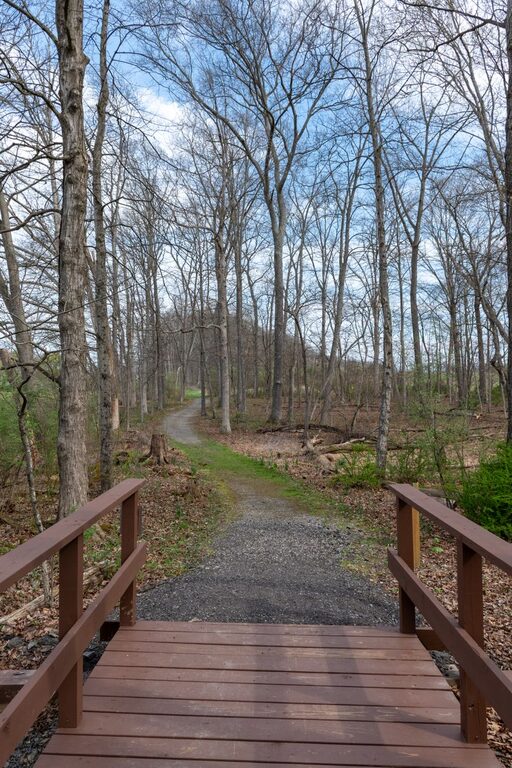
A daily walk can be a simple way to add movement to your routine, clear your mind, and notice more of your surroundings. However, walking the same block every day can eventually feel repetitive. A little variety can make your route more enjoyable and give you something to look forward to.
You do not need to travel far or plan an elaborate adventure. Local streets, parks, trails, gardens, waterfronts, and shopping areas can all offer interesting scenery. By changing your route, choosing a theme, or adding a small destination, you can turn an ordinary walk into a refreshing part of the day.
Explore Different Types of Walking Routes
One of the easiest ways to make daily exercise more interesting is to create several route options. Each route can offer a different pace, atmosphere, and view.
The neighborhood loop
A neighborhood loop is convenient and easy to repeat. Instead of walking directly from one point to another, create a circular route that passes several streets. Try choosing a different direction each day or adding one extra block when you have more time.
Look for details such as:
– Interesting house designs
– Community gardens
– Large shade trees
– Seasonal decorations
– Local murals
– Small parks and gathering spaces
A familiar neighborhood can look different in the morning, afternoon, and evening. Changes in light, weather, and activity can make the same route feel new.
The park and path route
Parks often provide a more peaceful setting than busy roads. Many have paved paths, open lawns, wooded areas, or ponds. Some parks also include benches, gardens, bridges, and viewpoints that create natural stopping points.
If your local park has several paths, combine them into different loops. You might take the outer path one day and explore the center of the park on another. A map at the entrance or an online map can help you estimate the distance and plan your time.
The destination walk
Give your walk a purpose by choosing a destination. This could be a library, coffee shop, farmers market, public garden, bookstore, or scenic overlook. A destination provides a natural reason to keep going and makes the walk feel like part of an outing.
You can walk to the destination and return by the same route, or create a longer loop for the trip home. Even a small goal, such as stopping to pick up a favorite snack or browse a local display, can add interest.
The waterfront or open-view route
If you live near a river, lake, beach, or open field, use the changing views to make your walks more memorable. Water, wide skies, and distant landscapes can create a relaxing backdrop.
These areas often offer opportunities to observe:
– Reflections on the water
– Boats and birds
– Changing cloud patterns
– Sunrises and sunsets
– Bridges and passing cyclists
– Seasonal plant life
Choose a route that allows you to enjoy the view without feeling rushed. A short pause at a bench or lookout can become part of the experience.
Use Scenery Themes to Add Variety
A scenery theme gives you something specific to notice during your walk. It can turn a routine route into a simple observation game.
Seasonal details
Each season offers its own visual highlights. In spring, look for new leaves, flowers, and birds. Summer may bring bright gardens, outdoor events, and long evening light. Fall offers changing leaves, pumpkins, and cooler air, while winter may reveal interesting branches, clear views, or festive displays.
Consider taking one photo each week of a seasonal detail. Over time, you can create a visual record of how your neighborhood changes throughout the year.
Colors and textures
Choose a color before you leave and see how many examples you can find. You might search for red doors, yellow flowers, blue signs, or green plants. You can also focus on textures, such as brick walls, tree bark, stone paths, wooden fences, or patterned pavement.
This activity encourages you to pay attention to details that are easy to miss when you are focused only on reaching your destination.
Architecture and local history
Look for buildings, bridges, landmarks, and street features that tell part of your area’s story. Notice different architectural styles, old signs, public art, or plaques. If your community offers a walking tour map, use it as inspiration for a self-guided route.
You do not need to know the full history of every location. Simply noticing how places are designed and how they have changed can make a familiar walk more engaging.
Plan Routes for Different Moods
Your ideal route may depend on how you feel that day. Preparing several options makes it easier to stay consistent without making every walk identical.
Try creating a small route menu:
– Quick route: A short loop for busy days
– Scenic route: A path with gardens, water, or open views
– Quiet route: A less crowded street or park
– Social route: A path where you are likely to see neighbors or friends
– Exploration route: An unfamiliar area with new sights
– Long route: A more extended walk for days when you have extra time
Keep a simple list in your phone or on paper. Include the approximate length, surfaces, notable scenery, and best time of day for each route. This removes some of the planning effort and makes it easier to choose.
Make Ordinary Walks Feel Special
Small changes can improve the atmosphere of a routine walk. Choose music, an audiobook, or a podcast for some walks, and leave other walks quiet so you can focus on your surroundings. You can also create a walking playlist that matches the season or time of day.
Another idea is to set a simple observation goal. Count how many birds you see, notice three interesting plants, or find a new public art feature. If you walk with children, invite them to look for specific shapes, colors, or signs.
For a social option, invite a friend, family member, or neighbor to join you once or twice a week. Conversation can make time pass quickly, while walking alone can provide a peaceful break in your schedule.
Keep Routes Comfortable and Practical
Enjoyment is easier when a route fits your needs. Before trying a new path, consider the surface, lighting, traffic, hills, rest areas, and weather conditions. Paved paths may be more convenient for some walkers, while natural trails offer a different setting but may include uneven ground.
A few practical habits can help:
– Wear comfortable shoes suitable for the route
– Bring water when walking for longer periods
– Check the weather before leaving
– Use well-lit paths when walking later in the day
– Keep your attention on nearby traffic and other path users
– Carry a phone if you may be away from home for a while
– Let someone know your route when exploring an unfamiliar area
Choose a pace that allows you to enjoy the walk and stay aware of your surroundings. The best route is one you feel comfortable using regularly.
Track Ideas, Not Just Distance
Tracking distance can be useful, but it is not the only way to measure an enjoyable walking habit. Keep notes about places you visited, scenery you noticed, or routes you want to repeat. You could create a simple walking journal with entries such as:
– Date and route
– Weather and time of day
– Favorite view
– New place discovered
– Seasonal detail observed
– Next route to try
This approach keeps the focus on exploration and experience. It also gives you a collection of ideas for days when you are not sure where to walk.
Build a Routine of Small Adventures
Daily exercise does not have to be complicated. A new street, a different park entrance, a seasonal theme, or a small destination can add fresh interest to a familiar routine. Start by choosing three routes near home and giving each one a different purpose.
As you become more familiar with your area, expand your list with nearby trails, public gardens, waterfront paths, and local landmarks. With a little planning, each walk can become an opportunity to move, observe, and enjoy the scenery around you.
